


Articles2- Page

16Articles

Articles4 months ago

For centuries, sleep was treated as a passive state, an almost mysterious pause between days when the body shut down and the mind rested in darkness. That image, however, is being steadily dismantled by modern neuroscience. Over the past decade, researchers have uncovered a wealth of information showing that sleep is not simply downtime. Instead, it is an active and highly organized process, filled with intricate biological rhythms and essential housekeeping functions that influence everything from memory to long-term physical health. Recent findings suggest that sleep is closer to a backstage crew that works tirelessly to reset the stage of the brain and body, preparing us for the demands of another waking day. One striking discovery has been the role sleep plays in flushing out toxins from the brain. A specialized network known as the glymphatic system becomes markedly more active when we are asleep, especially during deep stages of slow-wave sleep. This system clears waste products like beta-amyloid, a substance implicated in neurodegenerative diseases such as Alzheimer’s. Essentially, when we sink into deep sleep, our brain enters a self-cleaning cycle that may help preserve cognitive sharpness and protect against the onset of neurological disorders. Such insights have transformed how scientists view sleep deprivation—not just as a cause of grogginess or irritability, but as a potential risk factor for long-term brain health. Equally fascinating is the mounting evidence that sleep plays a direct role in learning and creativity. Studies using brain imaging and monitoring techniques show that during sleep, especially during rapid eye movement (REM) stages, the brain actively replays and reorganizes recent experiences. This process strengthens neural pathways, allowing short-term impressions to solidify into lasting memories. In practical terms, this means that a night of good sleep after studying or practicing a skill is not wasted time but rather a continuation of learning within the brain. Creative problem-solving also seems to benefit, as sleep allows the mind to form novel connections between seemingly unrelated concepts, a phenomenon many people recognize when they wake up with fresh ideas or solutions. Sleep also has profound implications for emotional health. Research demonstrates that unresolved stress and heightened emotional responses often become tempered through the night, as if sleep provides the brain with an opportunity to process difficult feelings. People who experience chronic sleep loss often exhibit increased anxiety levels and diminished resilience against stressful situations, underscoring the close link between nightly rest and mental well-being. Scientists now suspect that imbalances in specific stages of sleep may play a role in mood disorders, offering fresh pathways for treatment. The discoveries of recent years ultimately converge on one critical point: sleep is an indispensable biological necessity, not a luxury or a time lost to inactivity. Beneath the quiet surface lies intricate coordination between brain, body, and chemistry, all working to restore balance, sharpen cognition, and safeguard emotional and physical health. Far from being simply the absence of wakefulness, sleep is proving to be one of nature’s most complex and vital processes. Character count: ~2857

Articles4 months ago

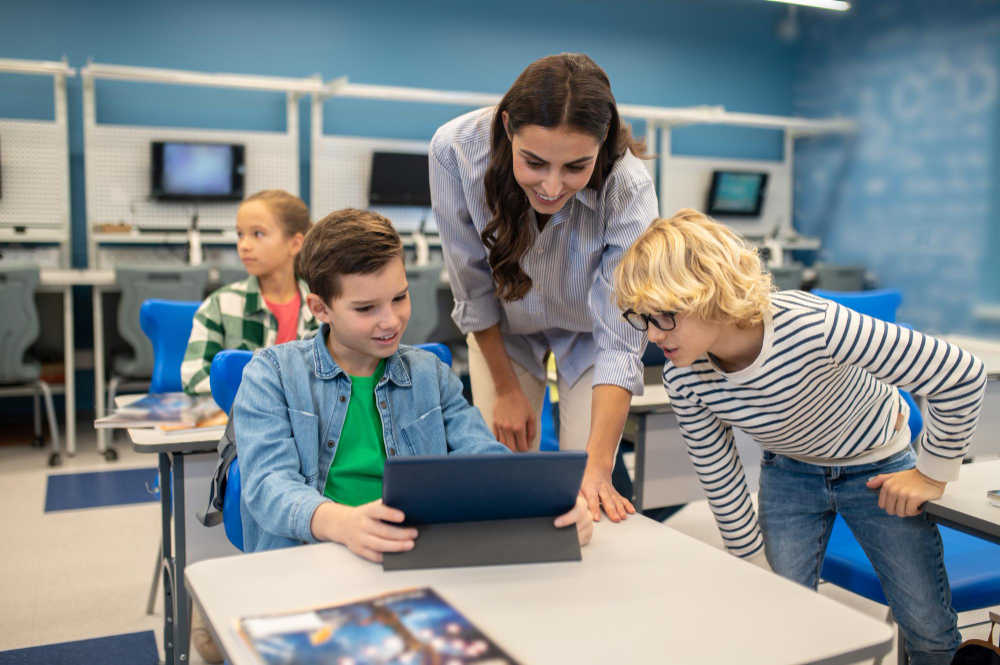
Over the last ten years, the presence of technology in education has shifted from being a supplementary tool to becoming a central part of how schools operate and how students learn. What once seemed like futuristic experiments—interactive whiteboards, video conferencing in classrooms, and mobile devices for studying—are now everyday realities in most schools. This evolution has not only impacted the materials teachers use but has also transformed the methods by which knowledge is shared, the way students interact with content, and even how classrooms are conceptualized in the first place. For teachers, technology has meant new opportunities as well as new challenges. They can now draw on vast libraries of digital resources, open access journals, and interactive platforms designed to make lessons dynamic and adaptable. The proliferation of learning management systems has allowed assignments, assessments, and classroom discussions to extend beyond the traditional school day. Instead of closing the book or leaving the classroom, students can engage with their lessons online at almost any time, which has blurred the once stark line between school hours and home study. For students, the impact has been equally profound. A decade ago, digital tools in classrooms were often limited, occasionally restricted to computer labs visited once or twice a week. Now, many schools embrace one-to-one device programs, ensuring every student has access to a laptop or tablet. This availability has fostered greater independence, encouraging learners to research, collaborate, and take ownership of their studies. It has also opened the door to more personalized learning, with adaptive software that adjusts to a student’s capabilities and pace in real time. Such tools allow students who struggle to receive additional scaffolding while enabling advanced learners to push further ahead without being held back by the rest of the group. Another defining shift has been the normalization of virtual classrooms, especially accelerated by the global pandemic. In 2020, remote learning went from an occasional supplement to an unavoidable necessity. Schools that had already invested in digital learning platforms navigated this transition more smoothly, while others had to adapt quickly, often revealing both the potential and the shortcomings of a heavily technology-reliant education model. Virtual classrooms demonstrated that teaching and learning could continue without a physical building, though issues of equity, accessibility, and digital fatigue also came to the forefront. Beyond instruction itself, technology has altered nearly every support system surrounding education. Communication between parents, teachers, and administrators has become faster and more transparent through apps and online portals. Data-driven analytics now allow for more informed decisions on curriculum design, helping schools identify and address areas where students may be consistently underperforming. This reliance on data has also sparked debates over student privacy and the potential for reducing learners to numbers, raising questions about how best to balance innovation with ethical responsibility. Taken together, these shifts illustrate that technology in education is not merely an enhancement but a fundamental redefining of what it means to teach and learn in the modern era. Classrooms are more flexible, learning is more personalized, and the boundaries of education are no longer confined to walls or fixed schedules. Yet, with these opportunities comes the task of ensuring access, equity, and critical thinking are not lost in the race toward innovation. Teachers are now not only instructors but guides in navigating a digital environment that will likely shape how students approach knowledge throughout their lives.

Sidebar Search Trending
Popular Now
Loading

Signing-in 3 seconds...

Signing-up 3 seconds...